Lithium vs Lead-Acid: The Future of Battery Technology
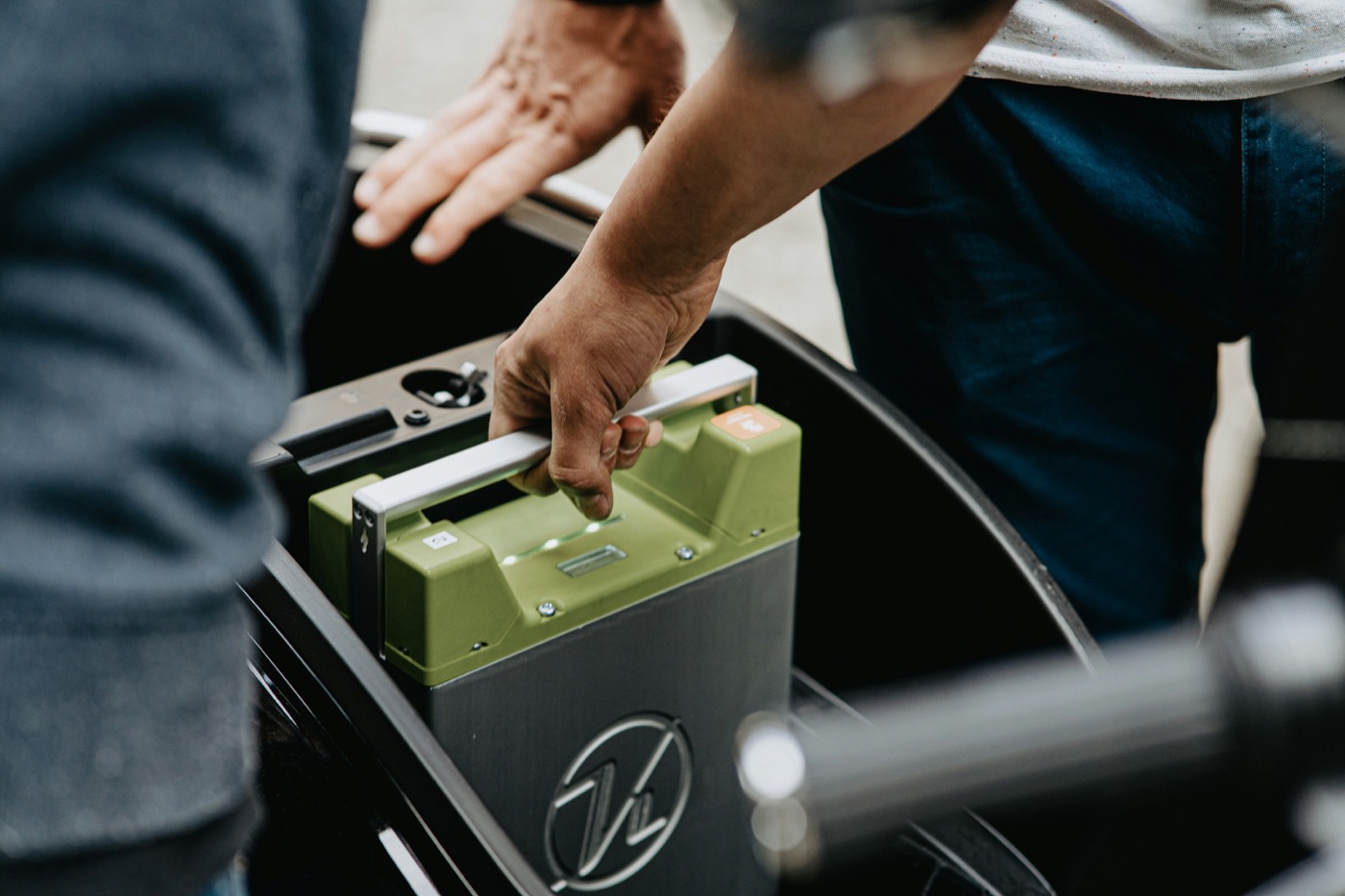
The battery industry is undergoing a massive transformation. For decades, lead-acid batteries have been the backbone of energy storage, from automobiles to industrial UPS systems. But lithium-ion technology is rapidly changing the game.
Performance Comparison
Lead-acid batteries typically offer 200-300 charge cycles, while lithium-ion batteries can deliver 1,000-5,000 cycles depending on the chemistry. This alone makes lithium a more economical choice over the long term.
Weight and Energy Density
Lithium-ion batteries are approximately 50-60% lighter than lead-acid batteries of equivalent capacity. This is particularly crucial for electric vehicles where every kilogram matters for range and efficiency.
The Cost Factor
While lithium batteries have a higher upfront cost, the total cost of ownership over the battery's lifetime is significantly lower. When you factor in longer lifespan, lower maintenance, and higher efficiency, lithium wins decisively.
Environmental Impact
Lithium-ion batteries are more environmentally friendly due to their longer lifespan and higher recyclability rate. At Silicon Industries, we're committed to sustainable manufacturing practices for both our lead and lithium product lines.
Our Journey
Having manufactured lead-acid batteries for over two decades, Silicon Industries brings unparalleled expertise to our lithium-ion product line. We understand batteries at a fundamental level, and we're applying that knowledge to create superior lithium solutions for India.